 Planet
Sustainability
Planet
Sustainability
Protecting our planet.
At Motherson, our commitment to preserving the planet for future generations underpins our sustainability approach. Guided by the needs of our stakeholders and our purpose and vision, we focus on the environmental topics that are most material to our business and the wider world. Through responsible operations and continuous improvement, we are working to create long-term value while reducing our environmental impact.
Our Planet Ambitions for 2030
- Scope 1&2 GHG Emission Reduction and Energy Consumption
- Water Usage and Commitment to Sustainable Water Management
- Waste
- Biodiversity
- Scope 3/Supply Chain Engagement
Transitioning to Carbon Neutral Solutions
- Achieve Carbon Net Zero by 2040 in our own operations.
- Reduce absolute Scope 1 and 2 emissions by more than 50% by 2030.
- Standardise best-practice energy management initiatives (TOTD) group-wide.
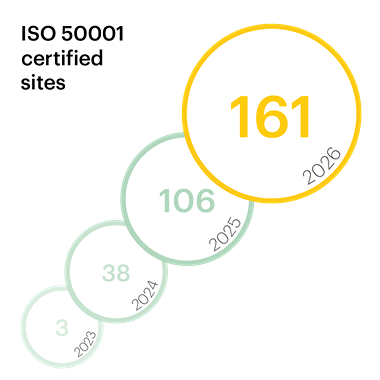
- Achieve ISO 50001 certification and compliance at all manufacturing sites (based on a 2023 operational footprint) by the end of 2030, and at new acquisitions within three years of integration.
Actions & Deliverables - SAMIL
Our Path to Net Zero Scope 1 and 2
We are working towards Net Zero through energy efficiency, renewable energy, upgrades and technology.
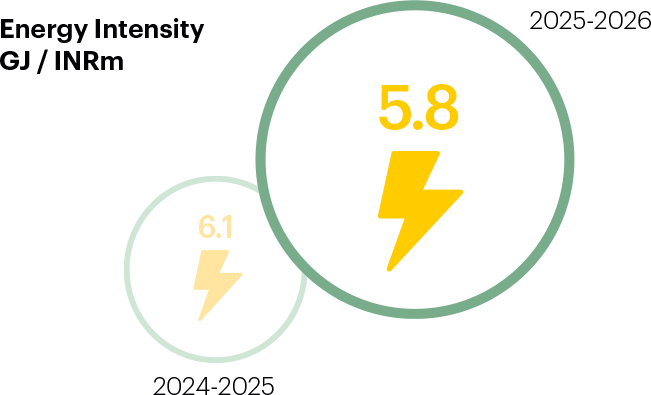
The Motherson Group continually evaluates opportunities to improve its energy intensity performance. While total energy consumption naturally increases with operational growth, targeted efficiency measures are helping to decouple business growth from energy consumption and emissions, supporting our climate transition ambitions.
Advancing Renewable Electricity Use
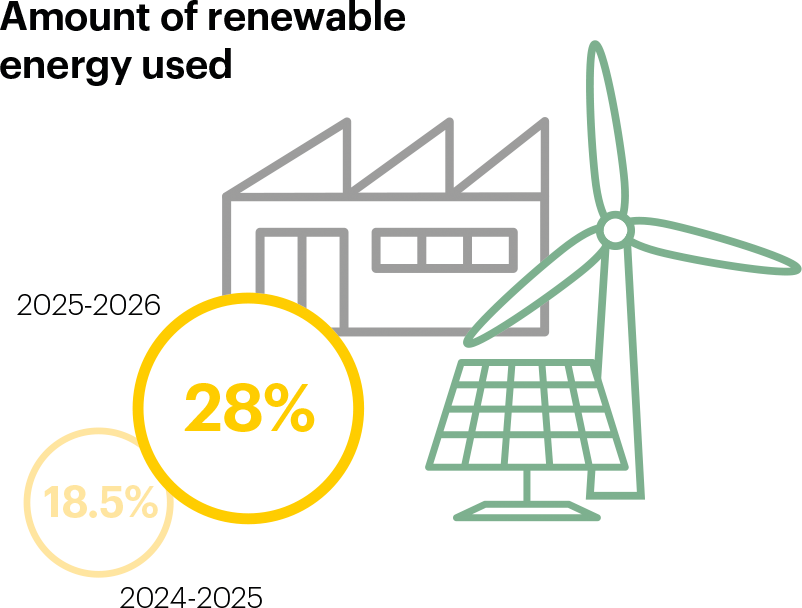
Clean energy is integral to our climate transition. We are increasing the use of renewable and low-carbon electricity across our global operations, guided by divisional climate plans aligned with Group sustainability goals. Integrating cleaner electricity into our operations reduces greenhouse gas emissions and supports our long-term decarbonisation commitment.
Driving Progress in Management Standards
We are advancing our commitment to excellence by adopting ISO standards to guide efficiency and improvement. Combined with targeted initiatives, these standards support cost savings, performance optimisation, and effective management of our environmental, quality, and operational impact.
Strengthening Environmental Performance
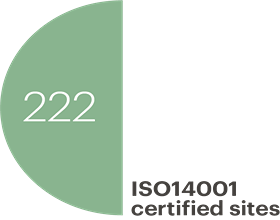
ISO 14001 provides an internationally recognised framework for managing environmental responsibilities and measuring environmental performance. It supports a consistent approach across our operations, helping us identify environmental impacts, strengthen controls and demonstrate our ongoing commitment to sustainability.

Protecting Water Resources for the Future
- Achieve zero discharge at all group operating sites by the end of 2030.
- Reduce overall water consumption at all group sites operating within areas of high water stress.
- Install water preservation solutions in all manufacturing units by 2030.
- Install water harvesting solutions where appropriate by 2030.
Actions & Deliverables - SAMIL
Reducing Water Intensity
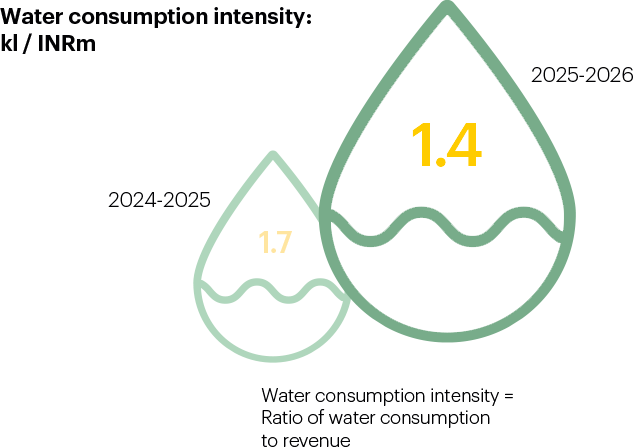
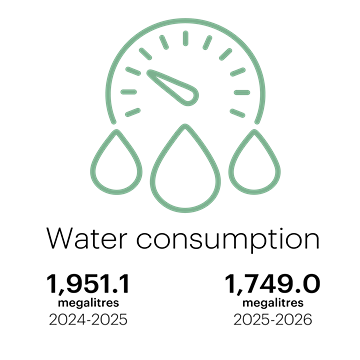
As a global company operating in water-stressed regions, we prioritise reducing our water intensity. Through initiatives such as water harvesting and reuse, we enhance efficiency and demonstrate our commitment to the continuous improvement of sustainable water management across our operations.
Enhancing Water Efficiency
We are focused on continually improving our water efficiency through the adoption of water preservation measures and implementing water-saving technologies. These efforts enable us to ensure continued progress in optimising water use across all areas of our operations.
Managing Water Discharge
We are committed to responsible water management across our operations. Through continuous improvements in water use, treatment and recirculation, we aim to minimise and progressively reduce our discharges towards zero, ensuring compliance with all regulations whilst promoting sustainable practices.


Responsible Water Withdrawal
Responsible water management across our operations includes careful monitoring and management of water withdrawal. We continue to explore solutions, working with service providers to reduce our reliance on freshwater sources and minimise our overall environmental impact.
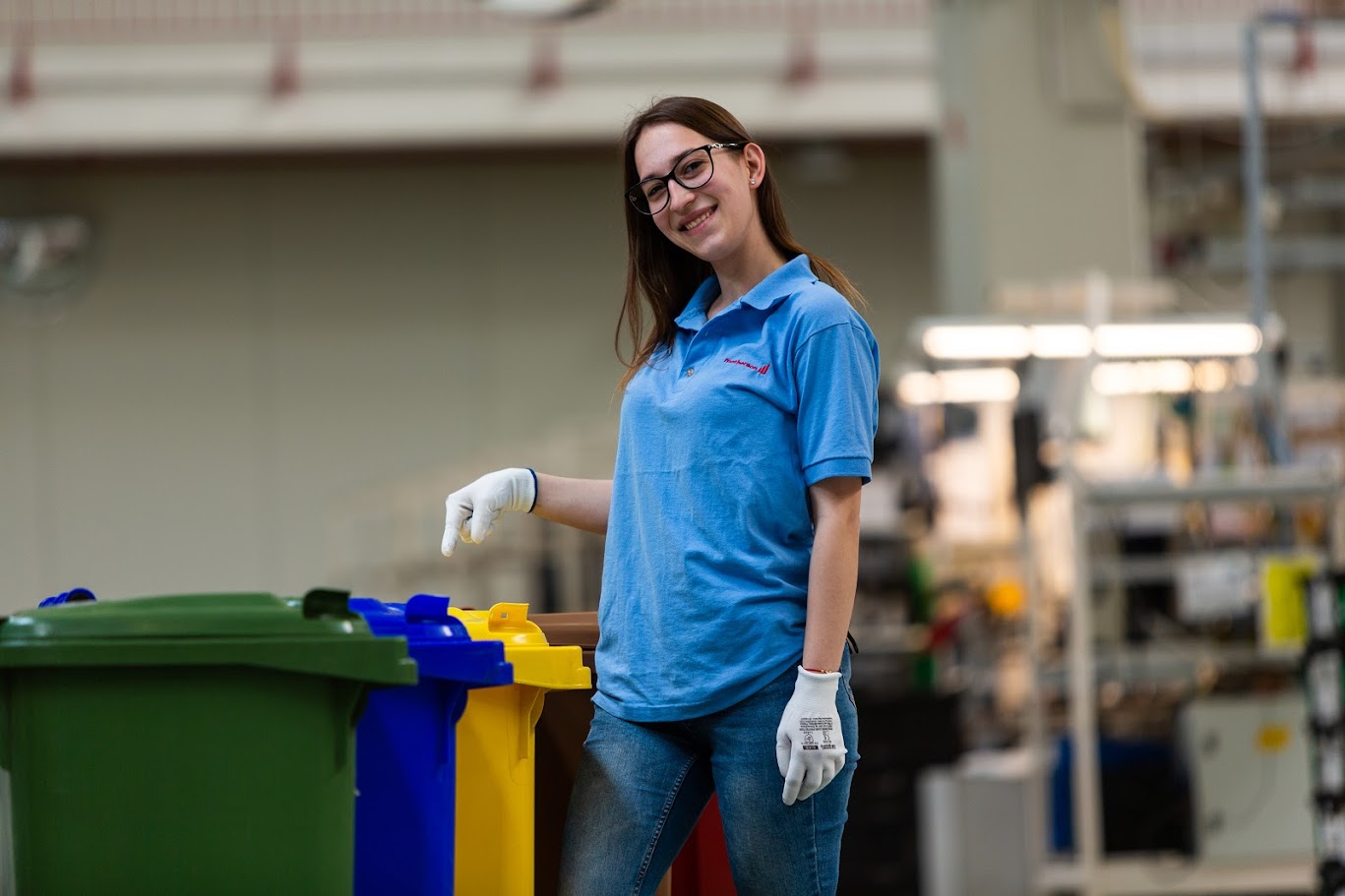
Advancing Towards Closing the Loop on Waste
- Recycle all indefinitely recyclable materials where technically feasible through certified external partners or internal solutions by the end of 2030.
- Eliminate single-use plastics and non-recyclable packaging where technically feasible.
- Strive for zero waste to landfill by the end of 2030, where supporting infrastructure allows.
- Embed circularity principles in new product development, aiming for 100% recyclable new products aligned to our customer requirements.
Actions & Deliverables - SAMIL
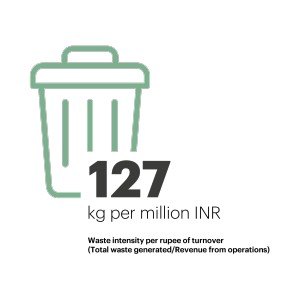
Reducing Waste, Protecting Resources
We are committed to minimising waste intensity across our operations. By continuously improving our processes, monitoring performance and promoting responsible waste management practices, we aim to reduce our environmental impact, protect resources and contribute to a more sustainable future for all.
Advancing Our Recycling Efforts
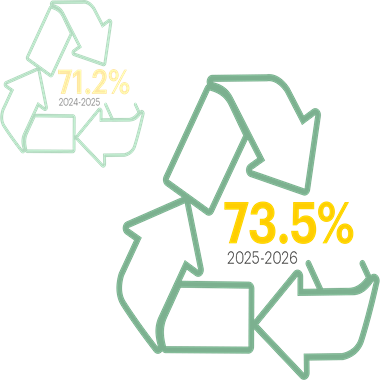
We are dedicated to increasing waste recycling rates across our operations. By continuously enhancing our recycling processes and adopting responsible practices, we strive to reduce waste sent to landfill and promote a circular economy.
Eliminating Single-Use and Non-Recyclable Packaging
We are focused on eliminating single-use plastic and non-recyclable packaging across our operations. By transitioning to sustainable, recyclable packaging solutions, we aim to significantly reduce waste throughout the value chain, supporting a more environmentally responsible future.

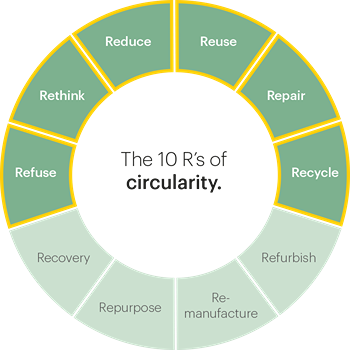
Adopting the 10R Framework
Our approach to waste management is guided by the principles of the 10R framework, which prioritises preventing waste at source and keeping resources in use for longer. Several of these principles are already demonstrated across our operations, helping to improve resource efficiency and support a more circular approach.

Restoring and Protecting Natural Ecosystems
- Continue biodiversity assessments for all Motherson sites, including new acquisitions.
- Create a net positive impact in all operating locations classified as very high or high risk.
- Bring biodiversity awareness into the value chain.
- Work towards protecting and enhancing biodiversity at all Motherson sites, with a focus on ecologically sensitive areas, by avoiding deforestation and supporting nature-positive development.
Actions & Deliverables - SAMIL
Protecting Biodiversity Across Our Sites
We conduct ongoing biodiversity assessments across all sites, including proposed new sites and acquisitions. This ensures each location is evaluated for its impact on local ecosystems and aligned with our sustainability goals.


Establishing a Net Positive Impact
We are exploring opportunities across our locations to achieve a net positive biodiversity impact. Through site evaluations and by prioritising higher-risk locations, we assess opportunities for site enhancements or improvements in surrounding areas to support positive biodiversity outcomes.
Expanding Biodiversity Awareness
We recognise the interconnected nature of biodiversity and the importance of understanding its impact across the full value chain. We aim to progressively expand biodiversity reporting awareness through to 2030, helping to strengthen our understanding and approach to biodiversity management.


Promoting Biodiveristy CSR activities
Motherson promotes biodiversity globally through citizenship activities, focusing on high-threat areas and locations with restoration potential identified through our annual biodiversity assessments. We work closely with local communities and encourage employee engagement to protect and restore vital ecosystems, supporting sustainable environmental stewardship worldwide.

Collaborating for Positive Change Beyond Our Operations
- Develop material-specific roadmaps focusing on copper and polymers.
- Develop Scope 3 carbon neutrality and Net Zero roadmaps for 2050, driving supplier engagement on carbon neutrality and Net Zero.
- Increase the use of low-carbon business travel solutions.
Actions & Deliverables - SAMIL
Supplier Engagement Metrics
Engaging with suppliers helps us better understand the materials used across our product portfolio and identify future trends and requirements. Material roadmaps are key tools in supporting our sustainability ambitions, enabling us to assess material composition, anticipate future needs and guide the development of more sustainable products across the value chain.

Supplier Sustainability Score
We continually evaluate our supplier base and score them against environmental metrics and their efforts to reduce their own carbon footprint. This enables us to monitor sustainability performance across our value chain, encourage continuous improvement and strengthen collaboration towards our shared climate goals.
Addressing Business Travel and Logistics Emissions
As a global enterprise, business travel is essential. To support our climate transition and address Scope 3 emissions, we are exploring ways to reduce travel-related emissions through lower-carbon travel solutions and responsible offsetting approaches.

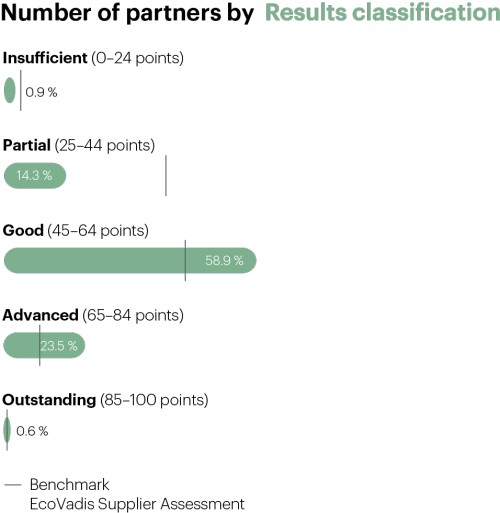
Supplier Sustainability Assessment Scorecard
Our supplier sustainability assessment scorecard helps us evaluate supplier performance against key sustainability requirements and identify opportunities for improvement. Suppliers are assessed every two years to monitor progress and ensure alignment with our sustainability expectations, including actions to reduce emissions across the value chain.
Planet impact cases
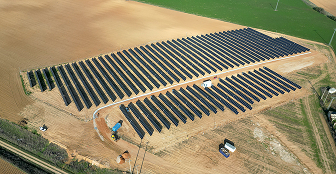
Renewable Energy MPP Medina, Spain
- Solar farm
- On-site power
- Lower emissions
- Long-term savings
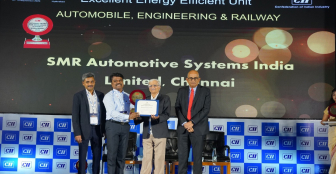
Award Recognition SMR Chennai, India
- Energy efficiency
- Innovation
- Reduced emissions
- Sustainable operations
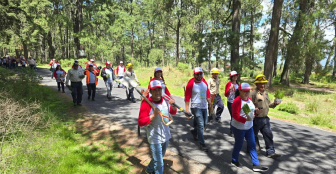
Enhancing Biodiversity MPP Puebla, Mexico
- Native tree planting
- Habitat restoration
- Greener future